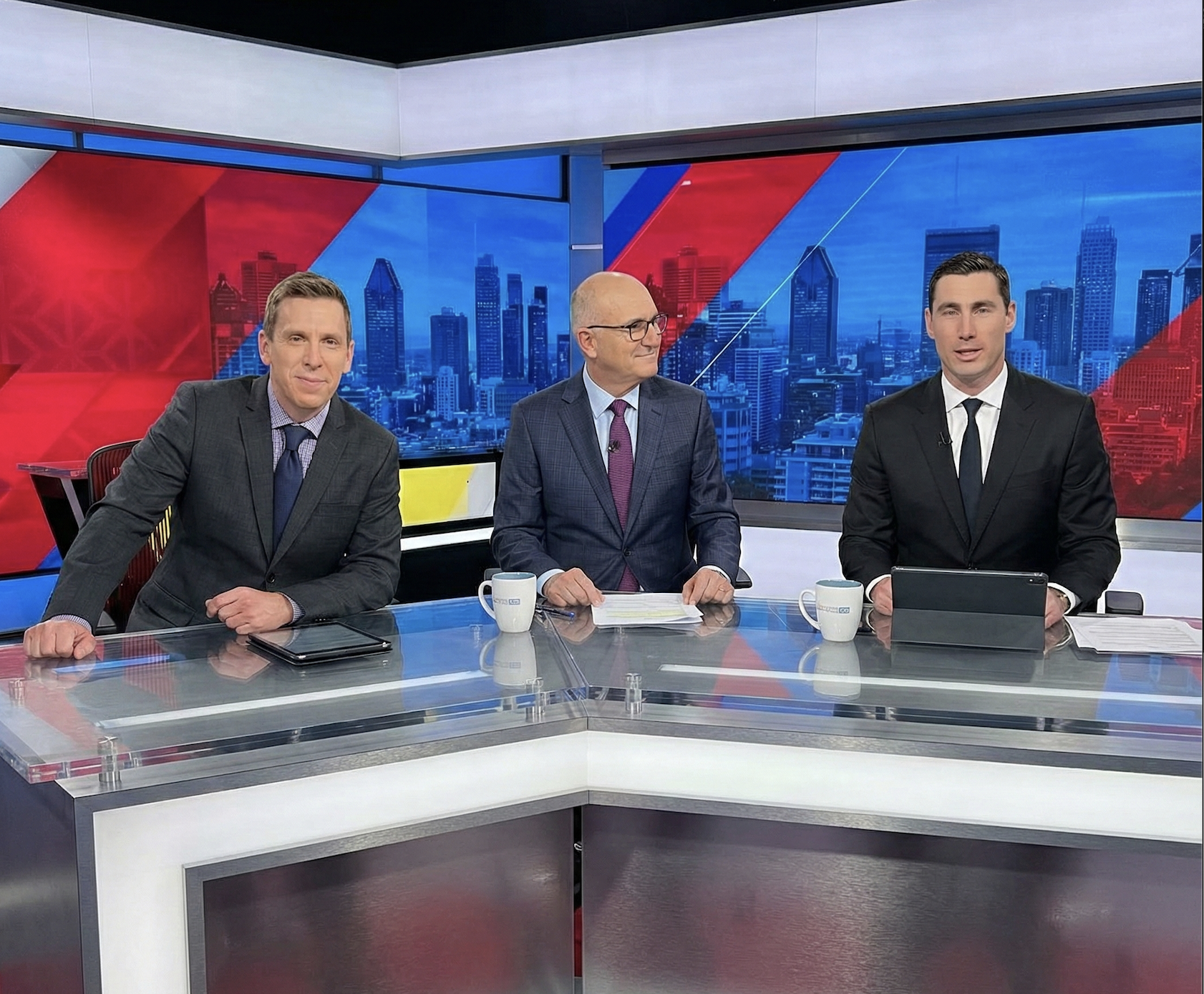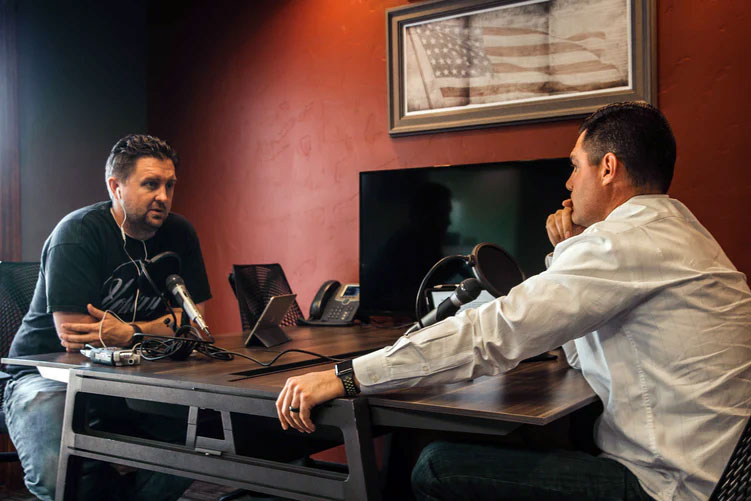
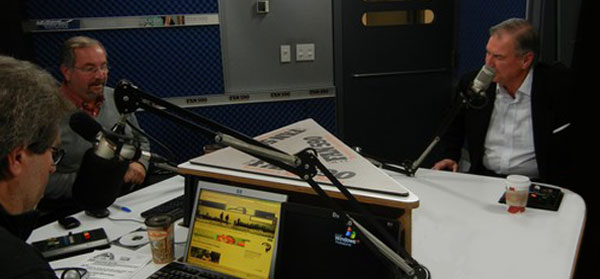
I spend most of the year critiquing what we watch and how it is made. Today is for thanks. Here is my what I am thankful Toronto list for 2025.
Fans who still show up.
In a world of endless choice, live games still pull people together. Full buildings, busy sidewalks around arenas, group texts buzzing during big moments. That shared energy keeps the whole ecosystem alive.
Audiences that reward straight talk.
Viewers know the difference between insight and spin. When a broadcast tells the truth in the moment, trust goes up. That shift has been building here, and it is healthy for the market.
Pros behind the mic.
Dan Shulman’s cadence. Buck Martinez’s timing. Jamie Campbell steering the studio. Hazel Mae on the scene. Joe Siddall breaking down a sequence so a casual fan learns something and a diehard nods along. The craft matters, and we have people here who care about getting it right.
A voice of Leafs hockey.
Joe Bowen has been the soundtrack of this market for generations. Goals, heartbreaks, spring nights that felt like they might never end. He gave “holy Mackinaw” to a city that needed a phrase for those moments. That kind of consistency is rare, and it deserves a thank you.
Producers and researchers who make everyone sound smarter.
Great television is a hundred quiet decisions. Shot choice. Audio mix. The right graphic at the right second. Notes in a host’s ear that add context without slowing the show. The best broadcasts feel effortless because someone else did the hard work.
Rogers Centre as a television set.
Renovations were about more than seats and sightlines. They gave cameras angles that pop and mics a stadium that actually breathes. Toronto looked big-league on the biggest stage. That helps the teams, the broadcasters, and the city.
Competition that lifts quality.
When multiple networks chase the same viewer, viewers win. Better presentation. Sharper analysis. Fewer freebies for bad decisions. It is good for the business when no one gets comfortable.
Independent voices.
Reporters, newsletters, and podcasts that live outside the rights bubble push the conversation forward. They ask the hard questions, follow the money, and keep score on promises made.
Beat reporters who live the season.
The people on the plane after a bad loss, in a quiet practice rink on a weekday afternoon, standing in a hallway waiting for one quote that explains the day. They file gamers, notebooks, and small stories that keep fans connected when the schedule feels endless. The daily beat is still the spine of coverage.
Radio hosts and guests who fill the empty days.
Three or four hours of live radio is a long time when nothing big happened last night. The hosts who still bring energy, curiosity, and a point of view turn background noise into a show worth listening to. The guests who actually show up with something to say, not just to plug something, make those hours work. They keep the conversation moving when there is no obvious story to tell.
Engineers and ops teams who keep the lights on.
No one thanks master control when a broadcast just works. They notice the second it does not. Here is a thank you for clean feeds, stable streams, and quick recoveries that most people never see.
Women changing the room.
Hosts, analysts, reporters, producers. The audience is better served when the people making the show look like the audience. More perspectives lead to better questions and fewer blind spots.
Coaches and players who give real answers.
Media works best when the participants meet the moment. Explain the choice. Own the result. Let fans understand the why. It is good business and good sport.
Executives who back the product.
You do not get better pictures, cleaner audio, smarter data, or stronger digital without investment. Spend money where the fan actually feels it.
Grassroots builders.
Minor hockey, youth baseball, basketball clubs, university programs, high school coaches, volunteers who carry equipment, athletic therapists who fix what hurts, game ops crews who run community nights. The pipeline starts there.
Friends and family.
I am thankful for the people who have helped steady me in this time of transition. For those who put up with late nights and early flights. For my kids, Jordan and Jillian, who make me prouder than any byline ever could. For the friends who send the honest text after I publish. For Wasabi, who still thinks every walk is the playoffs.
Readers who argue with me.
You send notes that challenge, correct, and sharpen. You are the quality control. Keep them coming.
A city that cares.
Toronto is at its best when it is loud, informed, and engaged. The last few weeks reminded everyone how good that feels. It is good for restaurants and hotels, sure. It is also good for civic spirit.
The business lessons.
Live sports remain the rare appointment product. Authenticity travels fast. Align what you make with what your audience needs, then deliver it with consistency. When you do, the numbers follow. That is as true for a broadcast as it is for a brand.
These are the things for which I am thankful this year. Thank you for reading, for debating, and for caring about how our games are told. As we kick off the holiday season, I wish each and every one of you reading this health and happiness, filled with friends and family.

Born and raised in Toronto, Jonah Sigel is currently based in Seattle, WA. An avid sports fan, Jonah took to writing about the sports media world back in 2004 with two young kids at home, a new job and a return to Toronto. The interest grew and grew to include the former website Torontosportsmedia.com, the twitter handle @yyzsportsmedia, the PressRow podcast and now the all new yyzsportsmedia.com